



Remember the first time you saw a brightly packaged cereal that made you excited to try it? That’s the power of effective food packaging design, much like how Häagen-Dazs uses elegant simplicity to draw customers in. With new products constantly flooding the market, your packaging must make a strong statement or risk being ignored.
This reality underscores the importance of investing in top-notch design. In this guide, we’ll break down the importance, key elements, processes, and top examples of food packaging design to keep your products flying off the shelves.
What Is Food Packaging Design?
A food packaging design is the first thing that buyers notice when they see your products on the shelf. It’s all about creating an attractive and practical appearance that should persuade customers to purchase your items.
The design covers everything from the materials to the fonts, colors, and illustrations, effectively conveying your brand’s values. Simply put, it helps your product to be noticeable on the shelf and memorable to consumers.
Let’s break this further with an example. Think of Oreo—when you hear the name, you immediately remember the shiny blue wrapper and those classic cookies on the front, daring you to take a bite.
The design is clever, using vibrant colors and that tempting image of a perfectly stacked Oreo to grab your attention. This thoughtful design attracts customers and conveys key information effectively, making the product more likely to be chosen over competitors.
That’s the difference a strong food packaging design can make.
Why is a Well-done Food Package Design Important?
People dont shy away from the fact that they judge a book by its cover. It doesn’t matter if your product tastes so good, but if it’s not attractive enough to be selected off the shelf, then as the rest, your product will be either returned or disposed of. That’s not just it. Here are several reasons why a properly executed packaging design for food products is crucial:
Grabs Attention on the Shelf
Did you know that consumers take as little as 3 seconds to decide? Since packaging is the first thing consumers look at when shopping, you have minimal time to make an impression. Your food product design must grab attention quickly to stand out among competitors and drive purchase intent.
The fact that 60% of purchasing decisions are made on the shelf emphasizes the importance of having an eye-catching design as more than a bonus—it is essential.
A Great Opportunity to Show Off Your Brand
When your food product is visible on the shelf with good packaging, it grabs attention, creates brand recognition, and helps build consumer trust. Packaging is like the face of your brand.
Everything from the colors to the fonts tells customers what your product is about. If your packaging looks great, it helps your product stand out, conveying product quality, values, and uniqueness that can lead to repeat purchases and long-term loyalty.
Good Packaging Influences Consumer’s Purchasing Decisions
Good packaging can make all the difference when consumers decide which product to pick off the shelf. Studies show that 72% of consumers state packaging design impacts their purchasing choices. Beyond just protecting food, excellent packaging is the final decision-maker for your customers.
Imagine a dull, cluttered package with too much text, unclear food branding, and a confusing color scheme. The material feels flimsy, and the product information is hard to find. Shoppers may skip over it simply because it doesn’t stand out or give off a trustworthy vibe.
And now, think of a sleek, minimalist design with a bold logo, clear product information, and eco-friendly materials. The packaging feels sturdy, the info is precise, and everything about it screams quality. It immediately grabs your attention and makes you feel like you’re choosing something reliable and worth your money.
Drive More Sales
Isn’t this the ultimate goal of why you would want a well-executed packaging design? The more attention your product gets, the more people will choose it and the more sales you will make.
It’s not just about looks—it’s about making people want to pick your product up and take it home. Be part of the 30% of businesses that reported a significant increase in sales after upgrading their product packaging, and don’t lose your sales because of inadequately designed food packaging.
Makes a Lasting Impression and Improves Customer’s Loyalty
Your goal is not just to get sales for a particular quarter or a year; it is continuous sales and domination in your market. Well-designed food packaging that’s fun, easy to open, or just plain beautiful makes people remember your product.
And when customers enjoy the whole experience, they’re more likely to come back for more. This is supported by a study showing that 63% of consumers have bought a product again simply because they liked the packaging. That’s how good packaging turns first-time buyers into loyal fans.
Key Elements of Food Packaging Design
Knowing what makes good food packaging is crucial if you want your product to catch consumers’ eyes and maximize shelf appeal amidst hundreds of competing choices. Let’s look at the elements of a complete food packaging design.
1. Functionality and Practicality
Your packaging should be easy to handle, open, and store and must protect the product from damage, contamination, and spoilage. How can you convince customers to purchase food items if they are spoiled? This will damage your brand reputation beyond repair.
Good packaging ensures the food stays fresh, is easy to open, and maintains quality during transportation and storage. The functional design also includes aspects like resealable features or eco-friendly materials that add convenience and appeal to consumers.
2. Aesthetics
We’ve talked a lot about getting your food product noticed, and the visual design of the food packaging is critical in realizing this.
Here’s a list of the four most essential aesthetics of food packaging designs that contribute to making your product stand out:
- Color Palette
- Typography
- Imagery and Graphics
- Visual Hierarchy
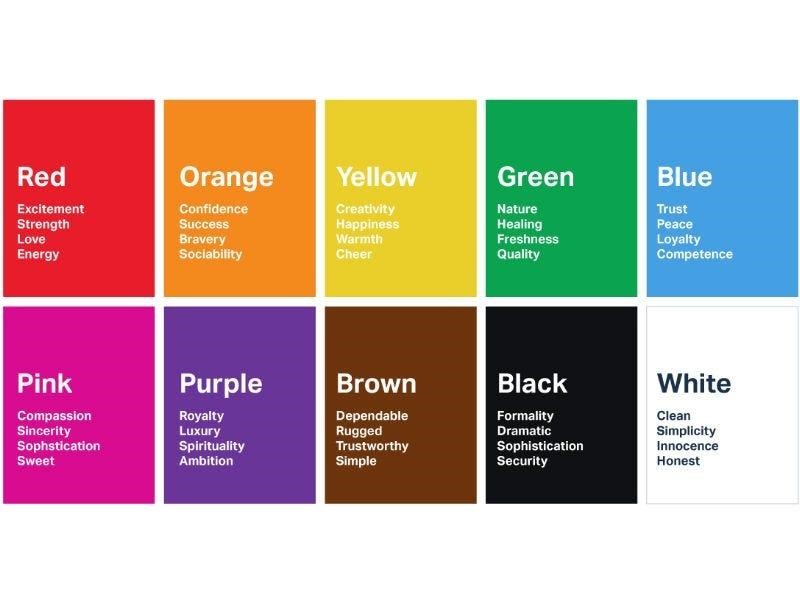
Colors have psychological influences that can evoke emotions and perceptions. Colors say a lot about a brand and are usually the first thing people notice, even from far away. Research shows that around 62% to 90% of first impressions are based on color. Food packaging colors have different meanings: red makes you hungry and excited, blue feels fresh and calm, yellow is happy and creative, and green shows health and eco-friendliness.
Choosing the right color palette aligns with the food product packaging design message and helps build a recognizable food brand identity.

Typography is like your brand’s voice. Clear and stylish types can make your product name stand out and add personality. A handwritten script font can evoke an artisanal or handcrafted feel, making it ideal for organic or gourmet products.
Pairing it with generous spacing and subtle alignment can enhance that handcrafted vibe, while carefully placed headings and emphasis help guide the customer’s eye smoothly across the packaging.
Imagery can evoke emotions such as nostalgia, excitement, or luxury. For example, KitKat’s “Sakura Matcha” packaging uses intricate cherry blossom designs to create a cultural and emotional appeal.
Using high-quality images, excellent graphics, icons, and illustrations to showcase your product is a good way to tell your brand’s story and make your packaging memorable.

Visual hierarchy is all about making sure the important stuff gets noticed first. Organizing key details like the brand name, product name, flavor, or critical benefits in a clear, easy-to-read way helps the customer find what they need at a glance.
For example, distinct fonts for the product name can attract attention immediately, while smaller, lighter text can be used for secondary info like ingredients.
3. Clarity of information
Everything from the product name to nutritional facts, ingredients, allergens, or expiration dates should be easy to find. Don’t make customers dig for details—a clean, simple food label design makes their decision process smoother and faster.
From using clear fonts to smartly organizing the layout, it’s all about making info easy to read. Plus, it builds trust because they’ll feel confident they’re picking a product that fits their needs without any guesswork.
One of the best and most out-of-the-box examples is RXBAR, known for its minimalist packaging.

4. Branding
A well-designed food package should display the brand’s identity. Consumers want brands that match their beliefs, and how the logo, color scheme, and fonts are presented plays a big part in making that connection. Your packaging design should mirror your brand’s ethos, ensuring it’s recognizable and memorable and gets more loyal customers.
Apart from the functionality, aesthetics, clear product information, and branding, some other design elements are also a part of food packaging, such as:
- Expiration Date: Displaying the expiration date is crucial for ensuring that consumers know the product’s freshness and safety.
- Cultural Relevance: Incorporation of cultural aspects into packaging design can resonate deeply with target audiences.
- Unboxing Experience: Designing packaging that provides a memorable unboxing experience can encourage social sharing
- Labeling Requirements: Food labels must comply with local and international regulations. They must also contain accurate ingredient lists, nutritional information, and allergen warnings.
The Process of Developing Food Packaging Design
It’s a common misconception that food packaging design involves simply adding your company logo, product name, and food details and making it look good. However, the process is much more detailed and involves meticulous planning. You must ensure the design resonates with your target audience while ensuring the final product matches your envisioned.
Let’s look at each step, breaking down the process from concept to completion.
Connect with Our Experts
Conducting Market Research
The first step in developing food packaging design is market research. This involves researching the target audience, analyzing competitors, and identifying points of differentiation.
Creating a design isn’t just about putting it together; it’s important to understand who the product is for. Usually, this involves running surveys, holding focus groups, or examining your competitors’ actions. You can also dig into customer behavior and even trends on social media to see what people actually respond to.
Next, we look at competitors. Usually, it’s about figuring out who the key players are, what they excel at, and where there’s room to stand out. Positioning tends to revolve around finding that unique space in people’s minds, setting a brand apart from the rest.
When looking at competitors, it’s common to consider the latest packaging and packaging trends to know what’s working in the market and what could set a product apart. It helps to spot where competitors are strong or weak. Positioning is like a strategic game in the market; understanding this gives an edge.
For example, a high-end package might miss the eco-friendly angle. This is where you can set yourself apart by using distinct colors and features that can make packaging stand out with a more eco-friendly vibe.
Mapping out the goals
Defining the goal shapes the entire project and aligns everything with the desired outcome. The goal should come from the project brief and insights gathered during market research.
Now, it’s helpful to ask: What’s the main objective here? How does this goal fit into the bigger picture? And are the insights leading us in the right direction?
Answering these questions ensures that the project stays focused and driven by purpose. These kinds of questions are what help keep the project on track
Concept Development
Concept development is a creative process. The team often starts by brainstorming and sketching ideas based on their research and goals. The focus is on trying different styles and layouts, not getting everything perfect.
It’s a collaborative process, with designers, marketers, and sometimes even customers offering input and feedback. By the end, rough concepts are usually ready to move forward, laying the groundwork for the final design.
Design Development
Design development typically refines those initial sketches into something more polished. It’s common to see people focus on the final product’s aesthetics and functionality at this stage. Software like Adobe Illustrator or Pacora often comes in handy to bring those ideas to life, helping to visualize how the finished design will look and perform.
Before finalizing the design, you must ensure that the labeling requirements, such as product name, ingredients list, nutritional information, net quantity/weight, expiry date, safety warnings, manufacturer’s information, etc, are added.
Prototyping
You’ve refined your ideas, but now it’s time to see how they hold up in the real world. This is where creating a prototype comes in handy. Whether a physical mock-up or a detailed 3D render, having a prototype lets you experience your packaging design firsthand.
Many food packaging designers love using tools like Adobe Dimension or even Pacora for these mock-ups. Seeing the packaging from different angles, checking how it feels in your hand, and testing how well it communicates the brand’s message can make all the difference. Plus, it’s a perfect opportunity to catch last-minute tweaks before full production.
Testing the Food Packaging Design
Before full production, designs often undergo testing to meet functional and aesthetic standards. Elements like user feedback, stress tests, and shelf placement evaluations are usually used to see how the design performs in real conditions. Testing helps fine-tune the design, ensuring it resonates with the audience and works effectively.
Production
Once the final design is approved, the packaging goes into production. The designs are printed and mass-produced at this stage using the chosen materials(e.g., plastic, glass, paper).
Paying close attention to detail in production is important because any mistakes in printing or assembly can result in expensive reworks or delays. The packaging is inspected for consistency, ensuring the colors, textures, and finishes match the approved design.
Distribution and Launch of the Food Product
After production, it’s all about aligning with your sales and marketing strategy to ensure the packaging fits the launch strategy. Every detail counts in making your product stand out and sell, from social media buzz to in-store displays. Then comes the big moment—when customers finally interact with it, creating that all-important first impression.
Monitor Performance and Gather Feedback
Once the product hits the shelves, tracking its performance and gathering customer feedback is crucial. Use sales data, reviews, and customer insights to refine future designs and ensure your packaging continues to make an impact.
These steps encompass the entire food packaging design process from concept through design execution to final print. Many designers refine these stages because a quality packaging design is necessary for successful product marketing as it captures consumer attention and influences purchasing decisions.
Top Examples of Packaging Designs for Food
Looking at real-life examples can show you how brands nail the food package design process. These designs perfectly illustrate how to incorporate the key elements we discussed, from concept to final product.
Alter Eco Truffles

Alter Eco uses environmentally friendly packaging for their organic truffles, with compostable wrappers and recyclable boxes with the bold statement at the bottom: the wrappers are compostable! The design features earthy colors and natural imagery, emphasizing the brand’s focus on sustainability and high-quality, organic ingredients.
Rather than overcrowding the packaging with too many logos or slogans, the emphasis is minimal branding, highlighting a logo and product name prominently in the center. There’s even a functional “front pocket” on some versions, allowing easy access to the chocolates while keeping the product sealed and fresh.
The nature-inspired design and compostable wrappers will make the buyers feel like they are indulging in something good for them and the environment—something like guilt-free chocolate!
Greenomic Good Hair Day Pasta

The Good Hair Day Organic Pasta packaging cleverly turns pasta shapes into beautiful hairstyles, making the design playful and visually striking. With clear windows showcasing the pasta it instantly grabs attention on the shelves while highlighting the high-quality, organic product.
This creative concept has earned prestigious awards, like the Golden A’ Design Award, for its innovative approach. The packaging brightens your day and makes you smile at first glance.
Book a Call Now
Funky Fat Chocolates

Funky Fat Chocolates’ packaging design stands out for its clean and simple layout, reflecting its commitment to health-consciousness and communicating its key selling points, such as using organic and sugar-free ingredients. The heart and bicep logo reinforces the theme of strength and wellness, complementing the product’s healthy appeal.
It features the cocoa percentage prominently on the packaging, which helps users easily understand the chocolate’s content, enhancing transparency. This packaging is a great example of how brands can pack all essential information without overcrowding, maintaining an attractive, uncluttered look.
Pip & Nut Nut Butters

Pip & Nut uses clean, minimalist labels with bright accents and cute illustrations of the nuts inside. The resealable lids are super practical for keeping the nut butter fresh, and the packaging’s friendly vibe makes the product feel approachable and premium. It’s perfect for standing out in the crowded spreads aisle.
Good Catch Seafood

Good Catch uses sleek, ocean-inspired designs with clean lines and blue hues that evoke freshness and sustainability. Their plant-based seafood products are packaged in eco-friendly materials, appealing to both vegans and environmentally aware shoppers. The modern look paired with clear product information makes their packaging attractive and informative.
Reasons to Hire an Agency if You Need Custom Food Packaging Design
Although a freelance designer can produce visually attractive artwork, custom food packaging requires more than aesthetics. It entails dealing with intricate regulations, comprehending consumer behavior, and creating a brand experience that resonates on shelves—all responsibilities a specialized agency can manage.
Related Content: What Is Brand Experience Design? Key Elements & Best Practices
Before settling for a designer, consider how an agency’s comprehensive approach can elevate your packaging and give you a competitive edge.
- Expertise in Compliance and Regulations: Agencies are knowledgeable about food packaging laws and food industry standards within the food packaging industry, ensuring your packaging meets all legal requirements for safety and labeling.
- Holistic Branding Approach: They provide integrated branding packages that align your packaging design with your overall brand identity, helping you stand out.
- Access to Multidisciplinary Teams: Agencies offer a team of specialists—including designers, marketers, and material experts—collaborating to create attractive and functional packaging.
- Market Research and Consumer Insights: They utilize market data to understand consumer preferences, allowing them to design packaging that resonates with your target audience.
- Quality Assurance and Consistency: A packaging design company has established quality control processes to ensure your packaging maintains high standards across all products and batches
- Innovative and Creative Solutions: When you work with an agency, you benefit from their knack for innovation. They bring fresh ideas to the table, offering cutting-edge packaging designs that can make your products shine.
- Efficient Project Management: They can handle tight deadlines and complex projects efficiently, saving you time and reducing the risk of costly mistakes.
- Long-Term Partnership Potential: Hiring a food package design agency can lead to a lasting relationship that supports your business growth with ongoing design and marketing support.
While agencies have clear benefits, finding the right one can be challenging. You need a credible, trusted partner with a proven track record in delivering exceptional packaging designs.